You are leaving girlscouts.org for a website opened by an external party. You will be subjected to the privacy and security policies of the website
Gold Award: Swim to Survive
According to the Center for Disease Control, drowning is the number one cause of death for kids between the ages of 1 and 4 years old. Experts say each year in United States, about 900 kids die from drowning and about 8,000 emergency department visits are for nonfatal drowning cases. Girl Scout Ambassador Natalie S. from Chesapeake, who attends Great Bridge High School, says teaching children to swim is important, but she believes teaching them survival-swimming is even more important.
“Unlike in movies, drowning is often silent,” Natalie said. “A drowning child is usually unable to call for help and an incident can occur in as little as 30 seconds. This is an issue I wanted to address with my Girl Scout Gold Award project. I aimed to educate parents, caregivers, and community members about drowning prevention and the importance of aquatic safety training. While many families enroll their children in traditional swim lessons, fewer are aware of survival swim programs that teach lifesaving and self-rescue skills. These programs focus on skills such as floating on the back, breathing independently, and remaining calm until help arrives. Children as young as six months old can learn these techniques, providing an added layer of protection around water.”
After volunteering with Bean’s Way Foundation, a foundation with a mission to stop children from drowning and educate people through water self-rescue survival classes, Natalie decided to dedicate her Girl Scout Gold Award project, “Swim to Survive”, to advance survival swimming awareness.
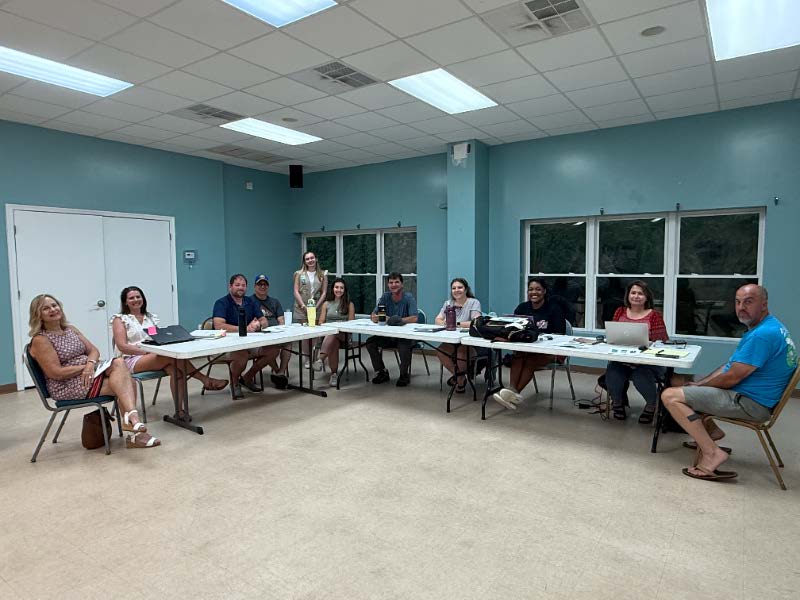
Natalie began her project by creating an Instagram account dedicated to drowning prevention and aquatic safety education. Through this platform, she made 30 posts and ten videos, reaching over 2.4K views. Information she shared was on drowning statistics, safety tips, educational content, and information about aquatic survival training. She also connected with other water safety advocates and organizations to expand the reach of her message.
She partnered with Great Bridge Living magazine to publish three educational articles. The first focused on the drowning crisis and its impact on children and families. The second explained the difference between traditional swim lessons and aquatic safety training, helping readers understand the importance of survival skills. The third highlighted water safety practices and layers of protection that can help prevent drownings. To reach families directly, she visited clinics, daycares, pool facilities, and other community locations to distribute educational materials. These resources provided parents and caregivers with information about drowning prevention, water competency, and aquatic safety-training opportunities.
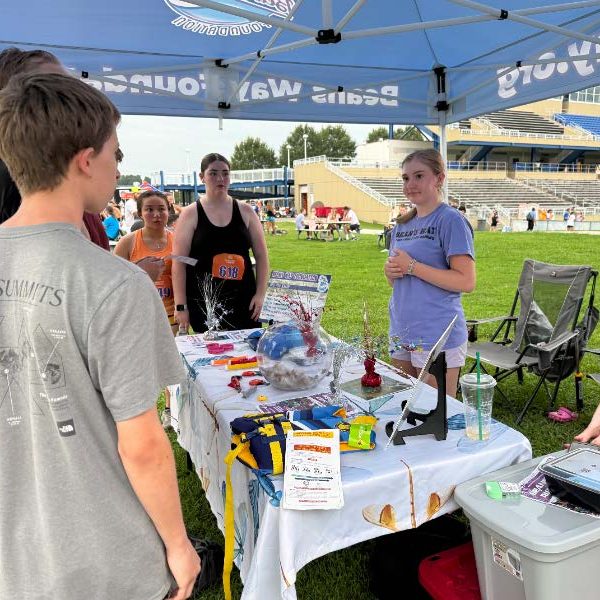
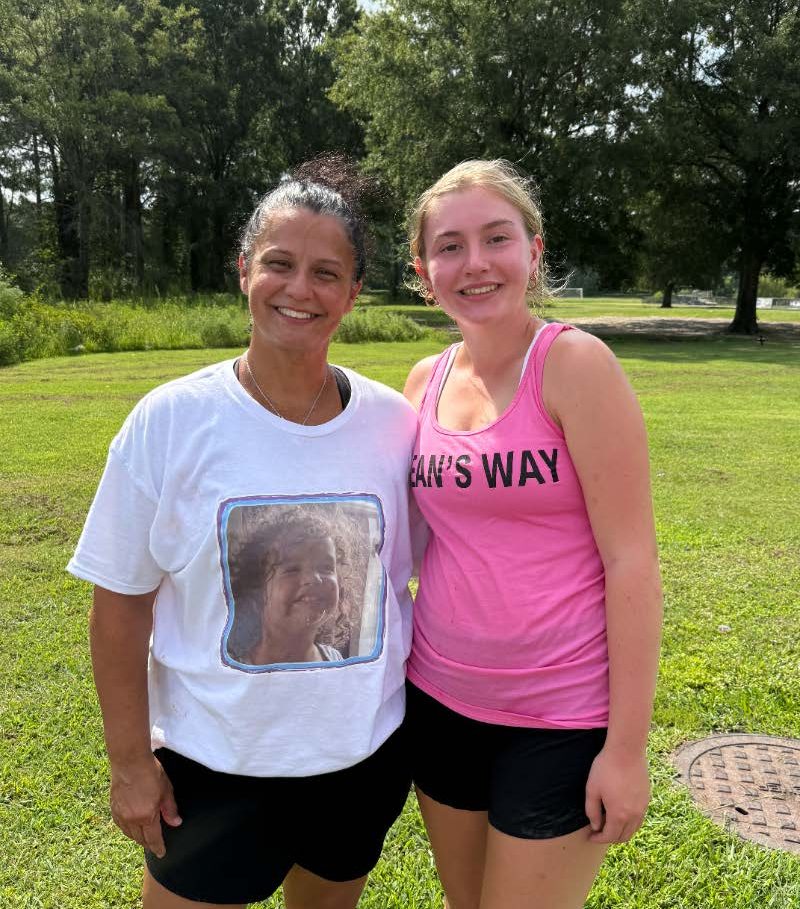
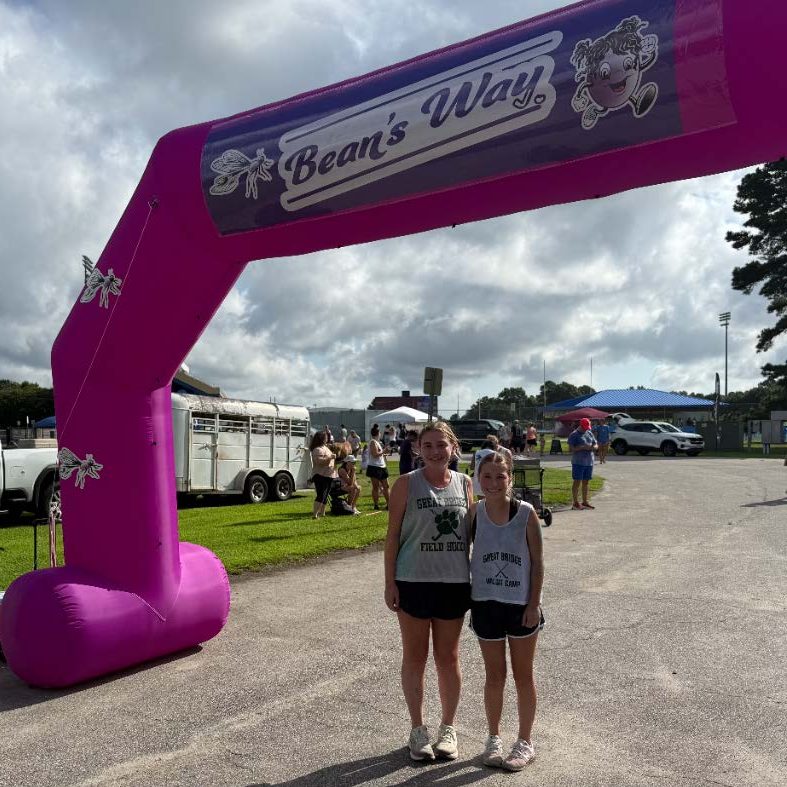
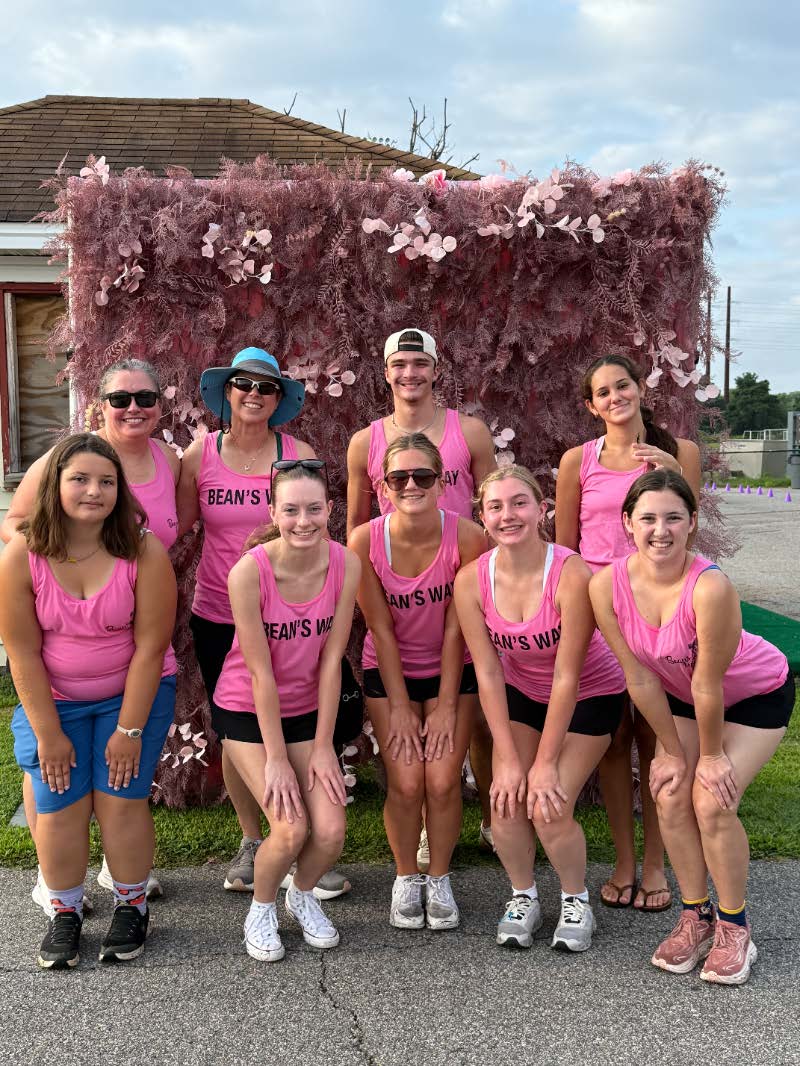
Natalie also partnered with the Bean’s Way Foundation, using their resources and experience. She also added to their resources by placing an educational slideshow she created on their website, which continues to be available on their site and used. As part of her project, she also helped lead the the annual Bean’s Way Fun Run. She recruited volunteers to help with check-in, facepainting, and other activities. Volunteers included Kim Bianchi who started the Bean’s Way Foundation and a certified instructor for survival swimming. Kim’s 2-year-old daughter died from a drowning incident in a family pool, and she and the family founded Bean’s Way to help lower the risk of other families experiencing this type of loss.
“Through this experience, I saw firsthand that sharing information and raising awareness can influence how people think about important issues and encourage them to take action,” Natalie said.
