
Silver Award: Creating Healthy Ecosystems with Pollinator Gardens
With the increasing decline in various pollinators such as bees and butterflies, more and more Girl Scouts are choosing to address this issue through their highest award projects. Pollinator gardens are designed landscapes that support bees, butterflies, birds, and other critical pollinators while providing measurable ecological and community benefits. The gardens integrate native plants and environmentally-friendly designs to create enhanced garden spaces that promote biodiversity, enhance stormwater function, and showcase a visible commitment to environmental stewardship.
Girl Scout Cadette Bailey B. from Troop 1307 in Yorktown took action in her community to help the butterflies with a garden of her own design. Her Girl Scout Silver Award project, “Butterfly Awareness”, not only addressed making more people aware of the risk of having the Monarch and Swallowtail butterflies placed on the endangered species list due to environmental stressors, but resulted in native plants being planted at KirkWood Presbyterian Church that became a haven for butterflies. The pesticide-free garden also included educational signage. She showcased the garden, displayed educational materials, and distributed milkweed seed bombs during a fair at the church.
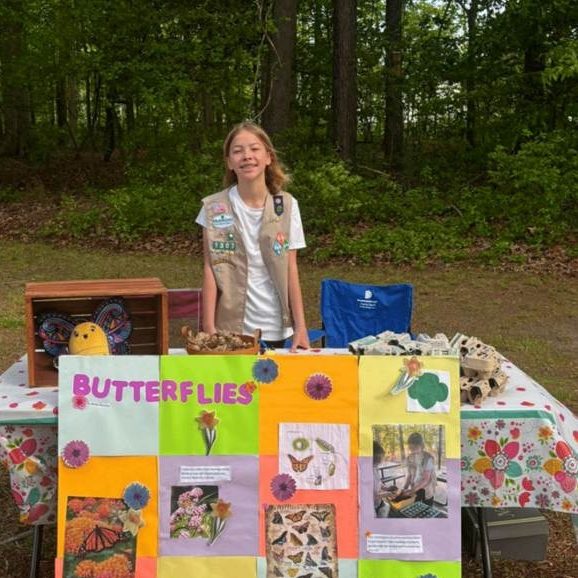
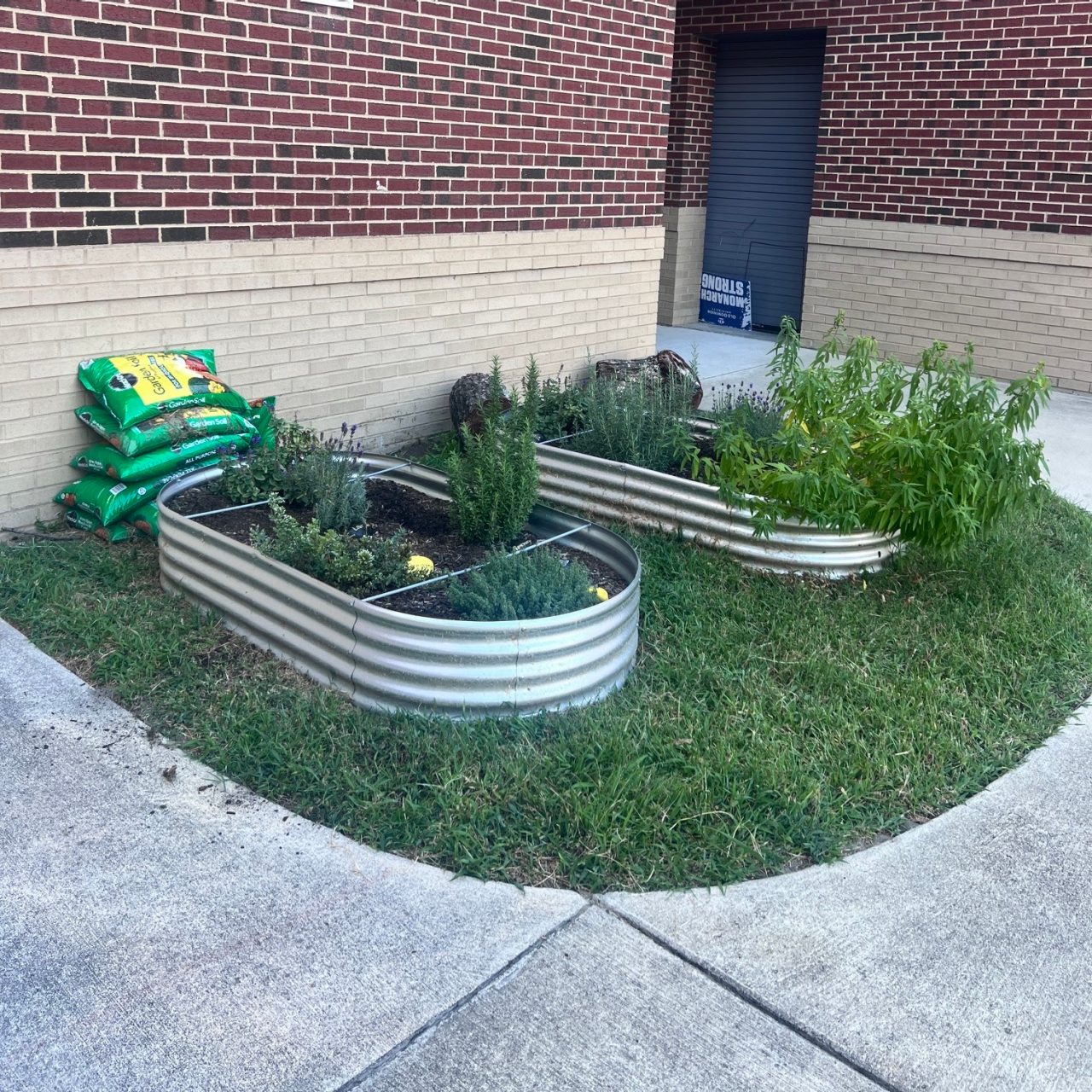
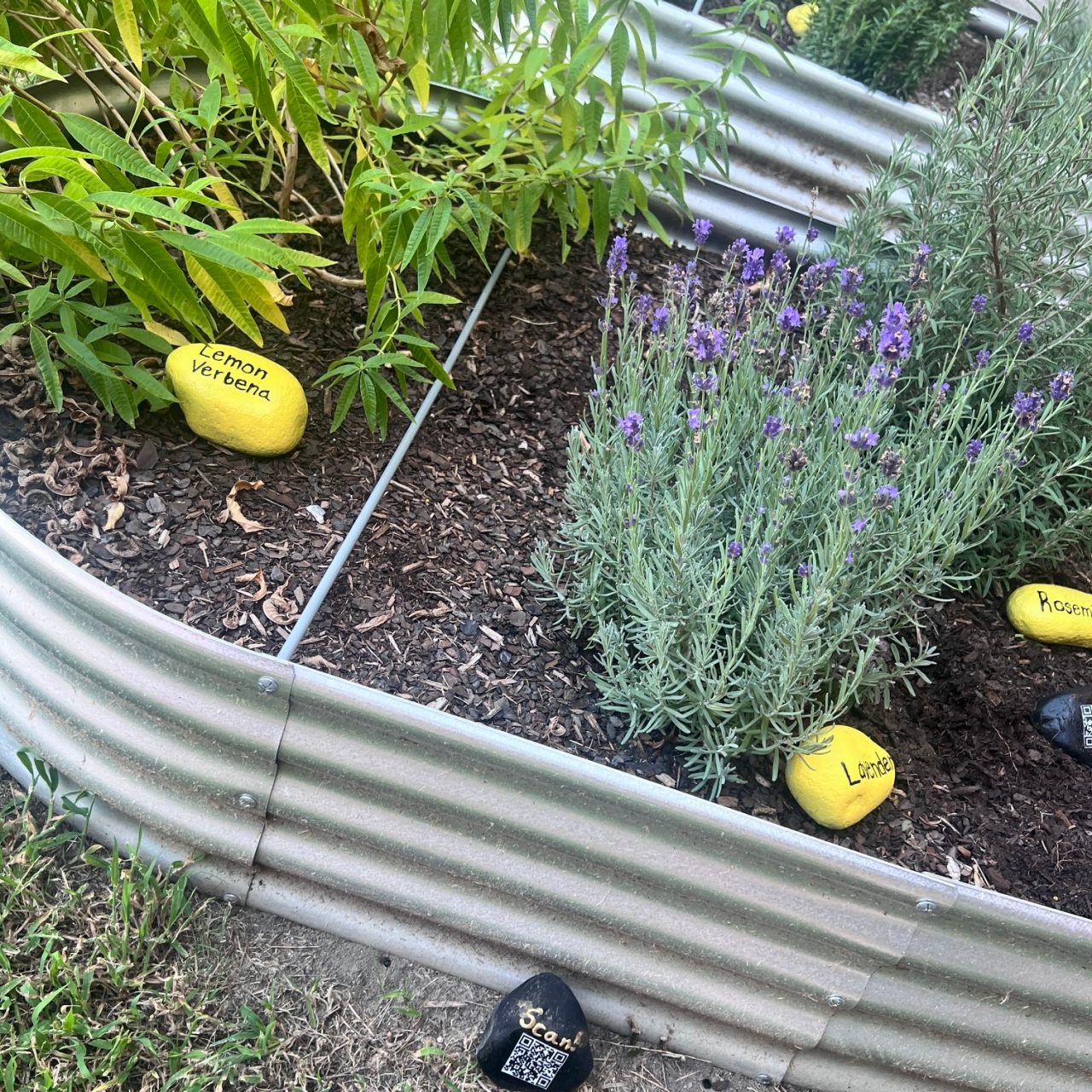
“This garden will benefit the community and the butterfly habitat in the area,” Bailey said. “If we add the right type of native plants in our environment; butterflies will come and get the right nutrients. Then, they can pollinate our gardens to produce our fruits, vegetables, and other plants.”
While feeding, butterflies help flowers by transferring pollen grains from flower to flower. Not as efficient as bees when it comes to pollination, they compensate through the sheer number of flowers they visit and the distances they travel.
Girl Scout Cadettes Avery S. and Adrienne S. from Troop 396 in Norfolk also chose to create a pollinator garden to earn their Girl Scout Silver Award. Their project, “Pollinator Paradise: A Butterfly and Bee Garden for Kids”, focused on educating children in their community who attend Larchmont Elementary School.
“Our project has created a sustainable butterfly and bee garden that has brought joy to many people in the neighborhood and has taught elementary students how to care for pollinators, and now they understand its importance to the community,” Avery said.
After some research, Avery and Adrienne found that many schools do not have gardens or areas that support bees and butterflies. Without safe habitats, pollinator populations will continue to decrease, which affects plants, food production, and ecosystems. The result of their project is a thriving garden that benefits pollinators and raises awareness among students using educational signage.
Great job, Girl Scouts, in helping to protect the pollinators in our environment!
