Gold Award: Helping the Bees
A world without bees? No way! Bees and other pollinators are very important and play key roles in our environment and food supply. That’s why Girl Scout Ambassador Madison W. from Chesapeake chose to address the issue of declining bee populations as her Girl Scout Gold Award project, “Helping the Bees.”
“Most people are not aware of the impact of pesticide use, loss of natural habitat and climate change, on the bee population,” Madison said. “My project raises awareness on this issue and addresses it by adding a safe and sustainable space where pollinators can thrive. This space will provide bees with access to native plants, food sources, and shelter. The educational component of my project teaches simple actions anyone can take to protect pollinators.”
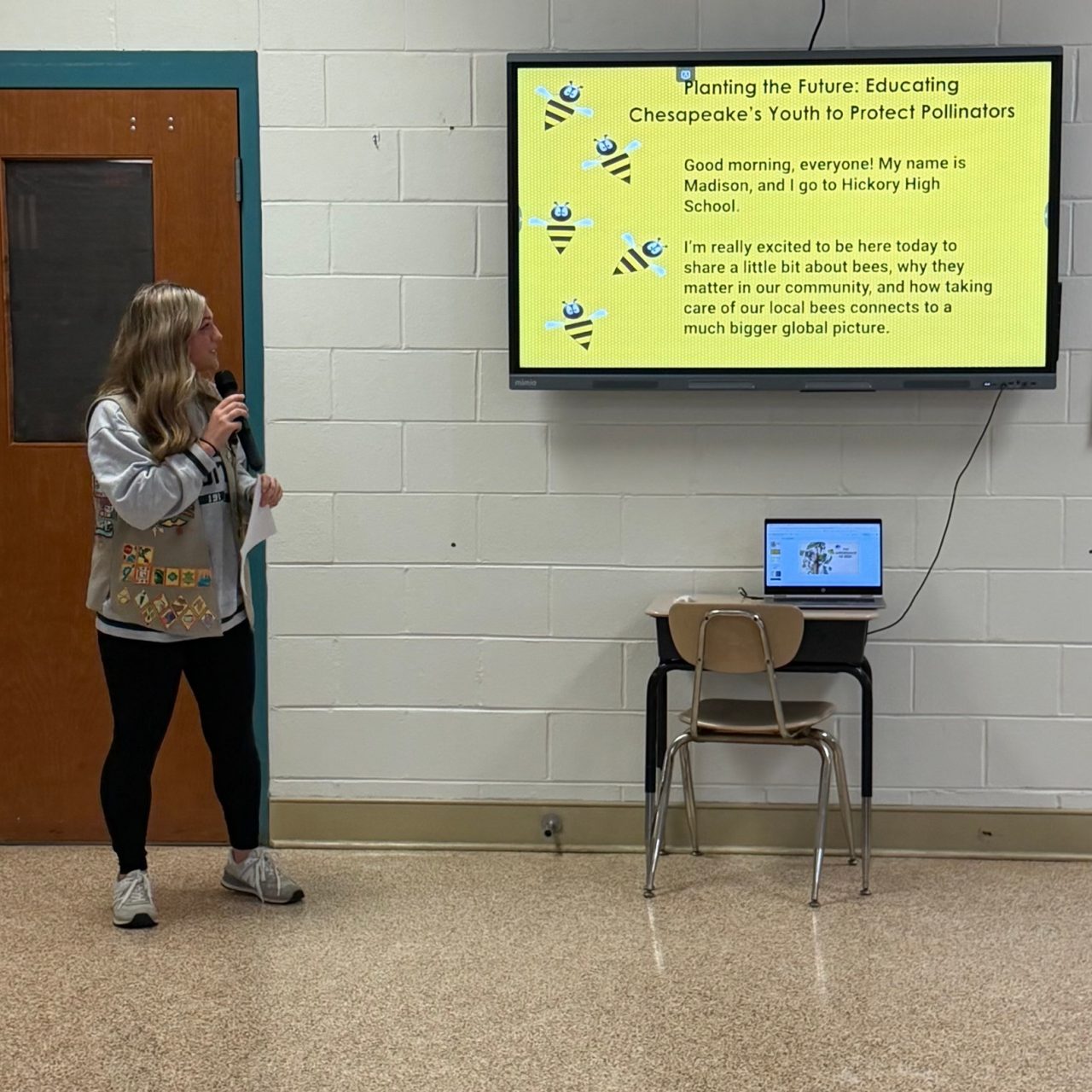
To begin, Madison received approval to restore and expand a pollinator garden at Hickory Elementary School, along with permission to give a presentation to 120 second-grade students about the need for bees and the importance they play in the ecosystem.
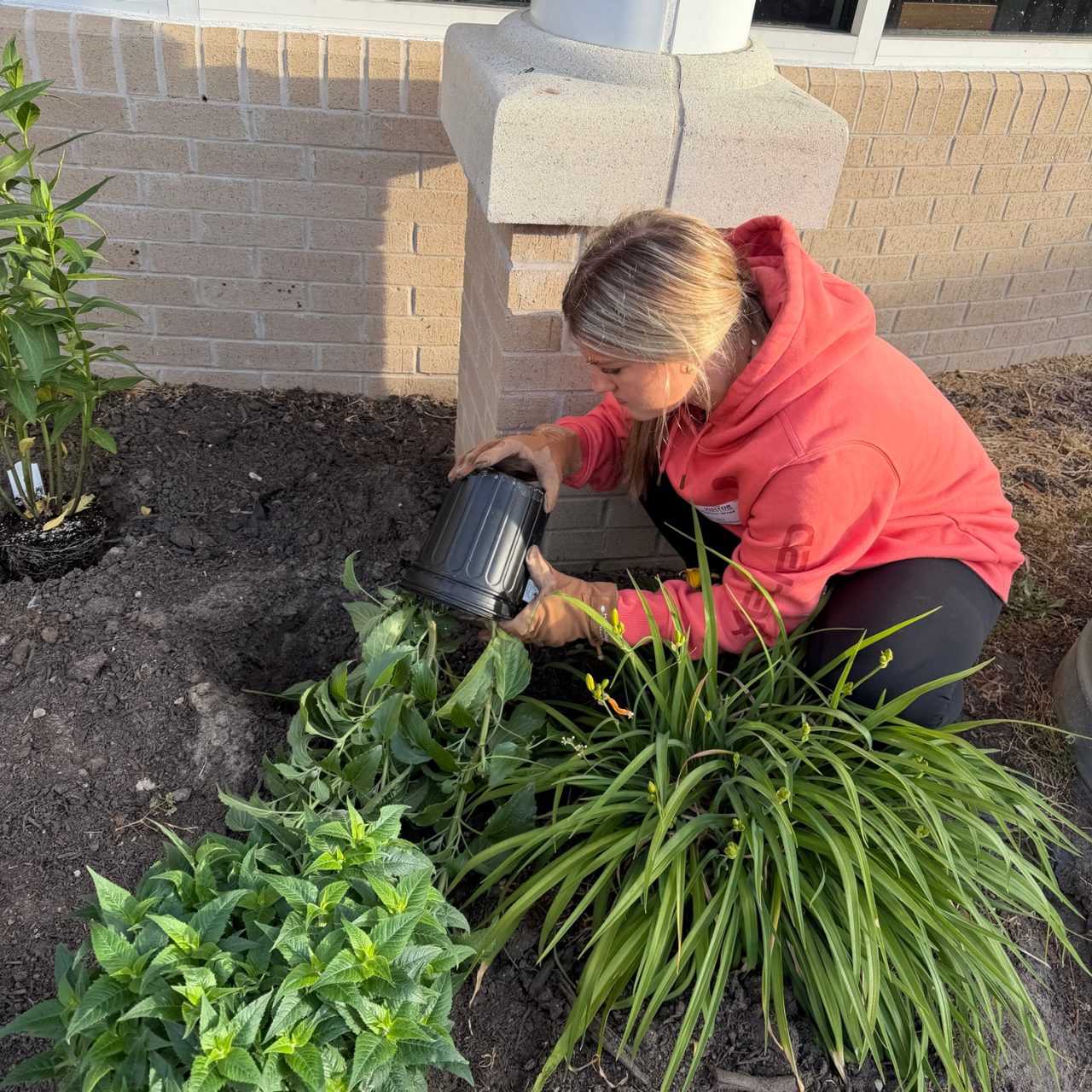
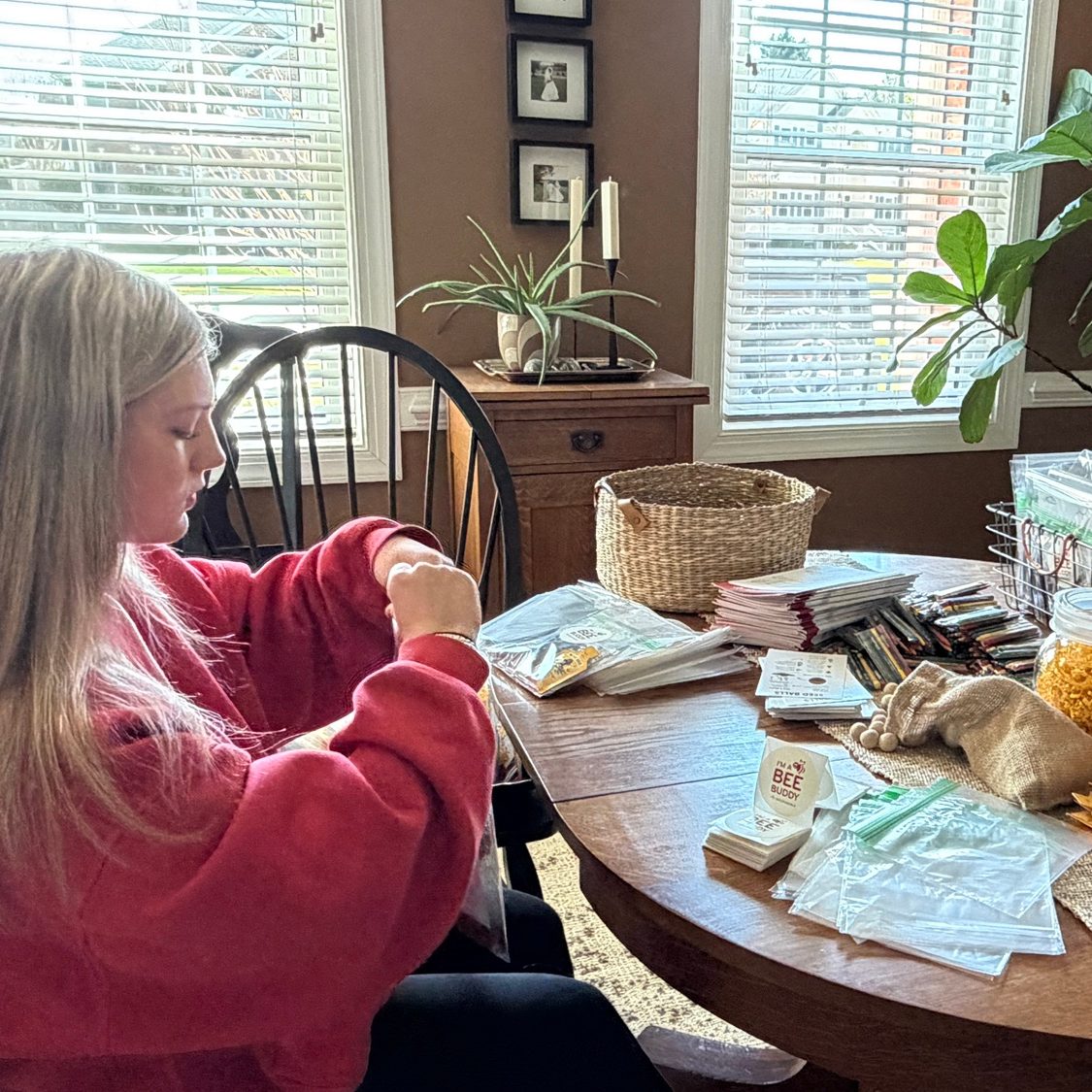
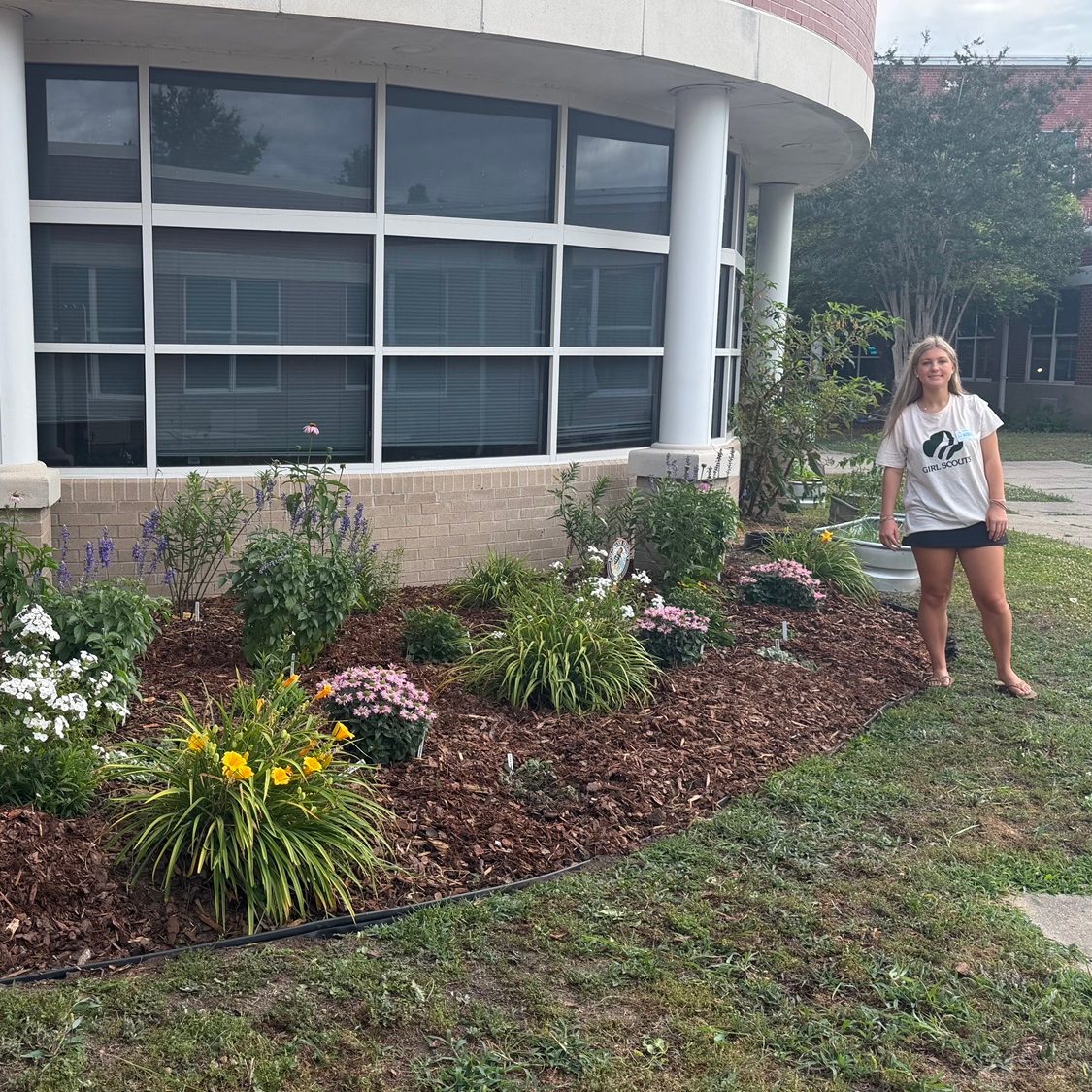
The garden location at the school was perfect; a sunny location receiving at least 6 to 8 hours of light daily. She set about clearing the area of grass and weeds and planted a diverse variety of regional native flowers that included Purple Coneflower, Goldenrod, Black-eyed Susans, Milkweed, and Bee Balm, all very colorful plants that bloom sequentially from spring through fall. Madison used some of her Girl Scout Cookie proceeds to fund her project.
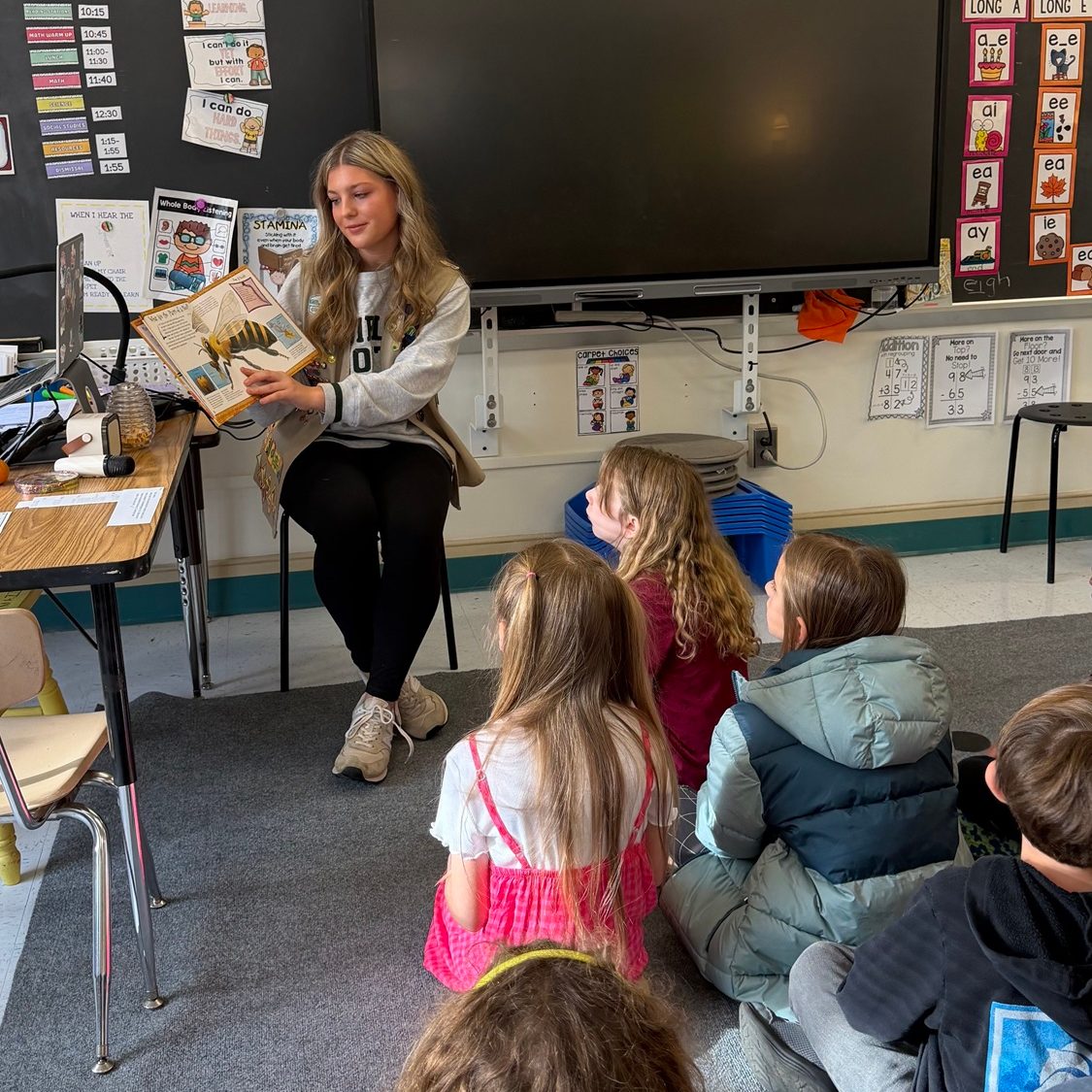
For her presentation to students, she scheduled several presentation times so all 120 second-grade students would be able to participate. She shared a short slideshow she created that explained what pollination is and why bees are important. She also read the storybook, “You Wouldn’t Want to Live Without Bees” and led an interactive hands-on game at each session.
“Before developing my presentation, I researched reliable sources to better understand the challenges pollinators face,” Madison said. “I learned that Virginia has more than 450 species of native bees and that pollinators help support about one-third of the food crops we eat. I also learned that many bees nest in the ground or in wood, so when land is developed, they lose both food sources and places to live. During my presentations, I explained all this and stressed what they can do to help protect pollinators such as planting native plants in their gardens — like the ones at their school.”
To ensure her project would be sustained, she partnered with Hickory High School’s National Honor Society which has incorporated the maintenance schedule of this pollinator garden into its volunteer service program.
Way to go, Madison!
